
Für jedes Autohaus, das in Lagos, Accra, Luanda oder Cotonou tätig ist, hängt der Unterschied zwischen einem profitablen und einem stagnierenden Jahr oft von einer einzigen Kennzahl ab: Beschaffungseffizienz.
Wenn Sie Mobile.de oder Autoscout24 durchsuchen, sehen Sie den globalen Marktplatz für Premiumfahrzeuge. Sie sehen den Bestand, die technischen Daten und die Preise. Aber wenn Sie wie 80 % der afrikanischen Importeure sind, schaün Sie auf den falschen Preis.
In Deutschland enthält der ausgeschriebene Preis eines Fahrzeugs in der Regel 19 % Mehrwertsteuer (MwSt). Diese Steuer ist für in Deutschland ansässige Personen obligatorisch. Nach EU-Recht entfällt diese 19 %ige Steuer jedoch, wenn ein Fahrzeug dauerhaft in ein 'Drittland' (ein Land ausserhalb der Europäischen Union, wie Nigeria oder Ghana) exportiert wird.
Das klingt in der Theorie einfach. In der Praxis ist es der grösste Reibungspunkt auf dieser Handelsroute.
Viele Importeure gehen davon aus, dass das blosse Vorzeigen eines nigerianischen Passes oder einer Verschiffungsbuchung ausreicht, um den Rabatt von 19 % zu erhalten. Das ist nicht der Fall. Infolgedessen werden Millionen von Euro an erstattungsfähiger Steuer entweder unnötig gezahlt oder monatelang in 'Kautions'-Modellen gebunden, was den Cashflow afrikanischer Unternehmen abwürgt.
Dieser Leitfaden ist das 'Insider-Handbuch' zum deutschen Steuersystem. Wir erklären genau, wie die MwSt-Rückerstattung funktioniert, warum deutsche Händler Angst davor haben und wie Sie Ihren Einkaufsprozess umstrukturieren können, um den Nettopreis sofort zu zahlen.
Teil 1: Die zwei Arten von Gebrauchtwagen (Die wichtigste Unterscheidung)
Bevor Sie überhaupt über einen Preis verhandeln, müssen Sie verstehen, dass nicht alle Autos in Deutschland gleich geschaffen sind. In den Augen des Finanzamts gibt es zwei verschiedene Kategorien von Gebrauchtfahrzeugen. Sie müssen den Unterschied kennen, sonst verlieren Sie Geld.
1. Mehrwertsteuer ausweisbar (MwSt. ausweisbar)
Dies sind Fahrzeuge, die zuvor im Besitz einer gewerblichen Einheit waren. Das können sein:
- Leasingrücklaufer (von Firmen wie Sixt oder LeasePlan).
- Firmenwagen (Dienstwagen).
- Mietwagen.
- Vorführwagen von Händlern.
Da der Vorbesitzer ein Unternehmen war, ist das Auto im 'Steuersystem' geblieben. Wenn der Händler es verkauft, wird die 19 % MwSt auf der Rechnung klar ausgewiesen.
Die Chance: Diese Autos KOENNEN Netto (steuerfrei) für den Export verkauft werden.
Die Mathematik: Wenn der Bruttopreis 30.000 EUR beträgt, liegt der Nettopreis bei 25.210 EUR. Das ist eine Ersparnis von 4.790 EUR.
2. Differenzbesteuert (nach Paragraph 25a UStG)
Dies sind Fahrzeuge, die zuvor im Besitz einer Privatperson waren.
Beispiel: Ein deutscher Arzt kauft einen BMW, fährt ihn 3 Jahre und gibt ihn beim Händler in Zahlung.
Da das Auto einer Privatperson gehörte, hat es das 'Steuersystem' verlassen. Der Händler zahlt nur Steuern auf seine Gewinnmarge, nicht auf den vollen Wert des Autos.
Das Problem: Es gibt KEINE 19 % MwSt zum Zurückfordern. Der Preis, den Sie sehen, ist der Preis, den Sie zahlen.
Die Falle: Viele afrikanische Händler verschwenden Zeit damit, einen Nettopreis für ein Paragraph-25a-Auto auszuhandeln. Das ist rechtlich unmöglich.
Strategischer Rat: Ein kluger Importeur filtert seine Suche ausschliesslich nach 'MwSt. ausweisbar'-Fahrzeugen. Der Kauf eines differenzbesteuerten Autos kostet Sie effektiv 19 % mehr für denselben Vermögenswert.
Teil 2: Die 'Kautionsfalle' (Warum deutsche Händler Nein sagen)
Sie haben ein Auto mit ausweisbarer MwSt gefunden. Sie kontaktieren den deutschen Händler. Sie sagen ihm, dass Sie es nach Lagos verschiffen. Sie fragen nach der Netto-Rechnung.
Der Händler sagt: 'Nein. Zahlen Sie den Bruttopreis. Wir erstatten die Steuer später.'
Warum tun sie das? Versuchen sie, Ihr Geld zu stehlen?
Normalerweise nein. Sie haben Angst vor der Steuerhaftung.
Das Risikoprofil des Händlers
Nach deutschem Steuerrecht liegt die Beweislast für einen Export beim Verkäufer. Wenn ein Händler ein Auto Netto (ohne Steuer) verkauft, muss er dem Finanzamt beweisen, dass das Auto tatsächlich die EU verlassen hat.
Wenn Sie das Auto Netto kaufen, es abholen und dann nicht die korrekten Zolldokumente vorlegen - oder wenn das Auto nächsten Monat in Paris oder Berlin fahrend gesehen wird - haftet der Händler. Das Finanzamt wird die fehlenden 19 % von ihm verlangen, plus hohe Strafen für Steuerhinterziehung.
Um dieses Risiko zu eliminieren, setzen 90 % der deutschen Händler eine strikte Richtlinie durch:
- Die Kaution: Sie zahlen den vollen Bruttopreis (Netto + 19 %).
- Das Einbehalten: Sie behalten diese 19 % als Sicherheitskaution ein.
- Die Rückerstattung: Sie überweisen es erst zurück, sobald sie den Ausfuhrvermerk (Exit Note) erhalten, der beweist, dass das Auto die Europäische Union physisch verlassen hat.
Die Kosten für Ihr Unternehmen
Dieses 'Kautionsmodell' ist eine Katastrophe für Händler mit hohem Volumen.
- Zeit: Rückerstattungen dauern oft 6-12 Wochen. Händler bearbeiten sie langsam.
- Bürokratie: Wenn es einen Tippfehler im Zollformular gibt, verweigert der Händler die Rückerstattung.
- Opportunitätskosten: Wenn Sie 5 Autos pro Monat zu je 30.000 EUR importieren, haben Sie etwa 28.000 EUR Ihres Betriebskapitals dauerhaft in Deutschland gebunden, während Sie auf Rückerstattungen warten. Das ist Kapital, das ein ganzes zusätzliches Fahrzeug hätte kaufen können.
Teil 3: Die MTN-Lösung - Das 'Reseller'-Modell
Hier ändert die Zusammenarbeit mit einem spezialisierten Logistikpartner die Oekonomie Ihres Geschäfts. Wir verschiffen das Auto nicht nur; wir reparieren die finanzielle Struktur des Deals.
Bei MTN Logistics sind wir eine registrierte deutsche GmbH mit einer gültigen EORI-Nummer und einem vertrauenswürdigen Status bei den Steuerbehörden.
Wir bieten unseren Händlerpartnern eine 'Reseller-Struktur' an, um die Kautionsfalle zu umgehen.
Wie es funktioniert:
Anstatt dass Sie das Auto vom 'Autohaus Müller' kaufen, kaufen wir es.
- Die interne Transaktion: Als deutsches Unternehmen kaufen wir das Auto vom Händler. Da wir eine vertraünswürdige inländische Einheit sind, verläuft die Transaktion reibungslos.
- Der Exportverkauf: Wir verkaufen das Auto dann weiter an Sie (das afrikanische Autohaus). Da wir die Logistik und die Zollerklärung kontrollieren, wissen wir zu 100 %, dass das Auto die EU verlässt. Wir haben kein Risiko des Steuerbetrugs, weil wir den Versandcontainer kontrollieren.
- Das Ergebnis: Wir können Ihnen den Nettopreis sofort in Rechnung stellen (plus unsere Servicegebühr).
Der Unterschied:
- Alter Weg: Sie überweisen 35.700 EUR (Brutto). Sie warten 3 Monate auf 5.700 EUR Rückerstattung.
- MTN-Weg: Sie überweisen 30.000 EUR (Netto). Sie behalten 5.700 EUR in Ihrer Tasche, um Ihr nächstes Auto zu kaufen.
Teil 4: Der kritische Papierkram (Was wir erledigen)
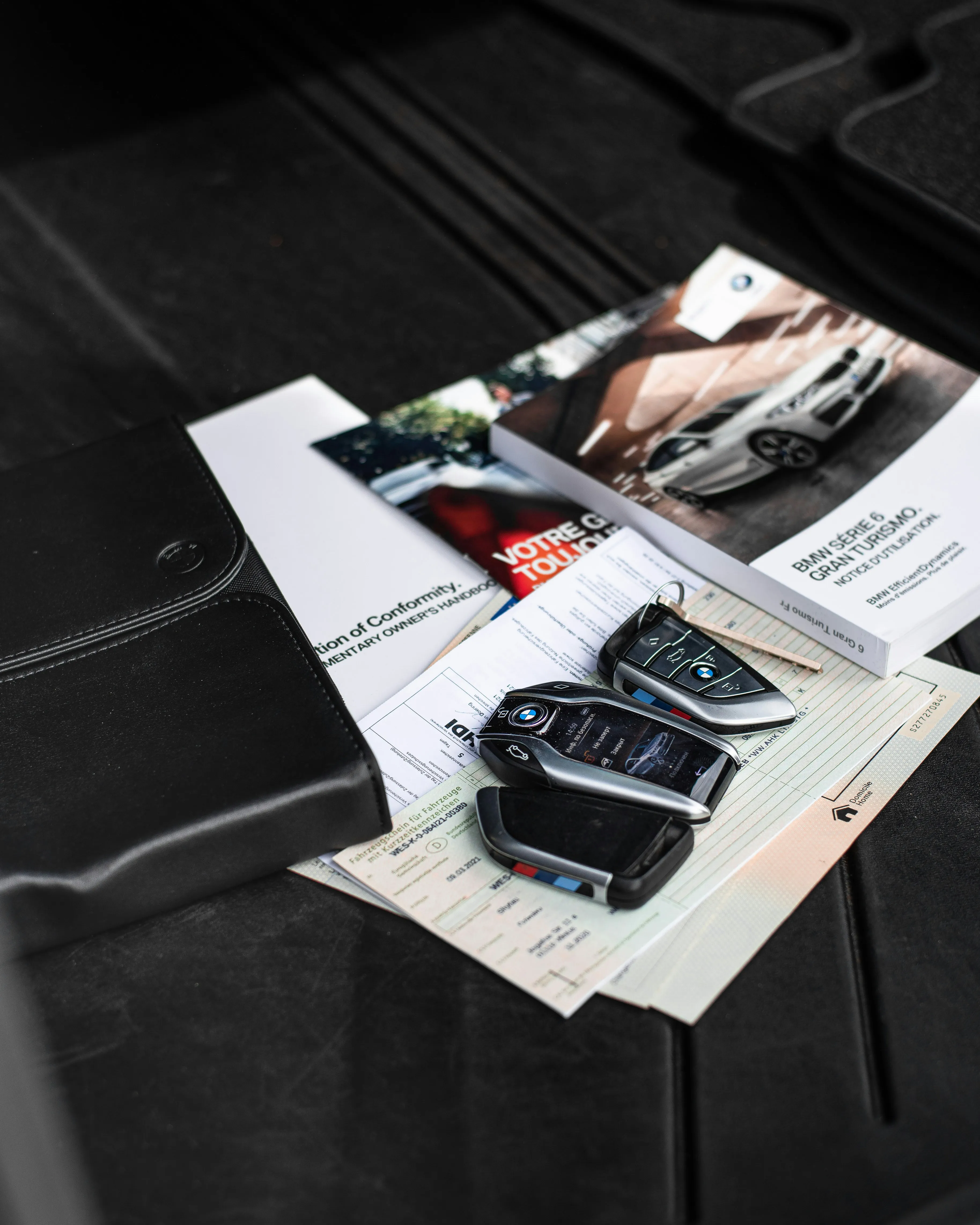
Egal, ob Sie unser Reseller-Modell nutzen oder direkt kaufen, Sie müssen die Dokumente verstehen, die diesen Prozess regeln. Ohne diese drei Papiere ist die Steuerrückerstattung unmöglich.
1. Der Kaufvertrag
Dieser muss explizit die Details des Käufers (Adresse in Afrika) angeben und die MwSt klar getrennt ausweisen (19 % MwSt. ausweisbar).
2. Die Ausfuhranmeldung (MRN)
Dies ist die digitale Zollanmeldung. Sie generiert eine Movement Reference Number (MRN). Diese folgt dem Auto vom Autohaus bis zum Hafen.
Kritischer Fehler: Wenn das Auto ohne gültige Ausfuhrkennzeichen und eine MRN zum Hafen gefahren wird, entsteht ein 'Geisterexport'. Das Auto verlässt das Land, aber das System weiss es nicht. Die Steuerrückerstattung ist für immer verloren. Wir stellen sicher, dass die MRN offen ist, bevor sich das Rad dreht.
3. Der Ausfuhrvermerk
Dies ist das 'Goldene Ticket'. Wenn das Auto am Ausgangshafen (z. B. Hamburg, Antwerpen) ankommt und auf das Schiff geladen wird, scannt der Zollbeamte die MRN. Dies löst eine automatische digitale Nachricht aus: 'Export bestätigt.'
Erst wenn diese digitale Bestätigung vorliegt, kann die 19 % MwSt legal abgeschrieben werden.
Teil 5: Eine Berechnung aus der realen Welt
Schauen wir uns die Mathematik für einen 2021 Mercedes-Benz GLE 450 an.
- Ausgeschriebener Preis (Brutto): 65.000 EUR
- MwSt-Anteil (19 %): 10.378 EUR
- Tatsächliche Autokosten (Netto): 54.622 EUR
Szenario A: Sie kaufen direkt (Der harte Weg)
Sie überweisen 65.000 EUR. Sie verschiffen das Auto. Sie warten 2 Monate. Sie jagen dem Händler wegen der Rückerstattung hinterher. Sie verlieren bei den Bankwechselkursen, wenn die Rückerstattung endlich kommt.
Cashflow-Auswirkung: -10.378 EUR gebunden.
Szenario B: Sie kaufen über das MTN-Partnerprogramm (Der intelligente Weg)
Sie überweisen 54.622 EUR + Sourcing-Gebühr.
Cashflow-Auswirkung: 0 EUR gebunden. Sie haben 10.000 EUR sofort verfügbar, um Versand, Zollgebühren in Lagos zu bezahlen oder eine Anzahlung für Ihre nächste Einheit zu leisten.
Fazit: Beschaffung ist Strategie
In der margenschwachen, schnellen Welt des Automobilhandels ist Kapitaleffizienz Ihre grösste Waffe. Hören Sie auf, die 19 % MwSt als notwendiges Uebel oder als Wartespiel zu behandeln.
Indem Sie mit einem deutschen Logistikunternehmen zusammenarbeiten, das das Steuergesetz versteht, können Sie Deutschland wie ein steuerfreies Lager behandeln. Hier geht es nicht nur um Geldsparen; es geht um Geschwindigkeit. Je schneller Sie Ihr Geld drehen, desto schneller wachsen Sie.
Sind Sie ein Autohaus, das bereit ist, Netto zu kaufen?