
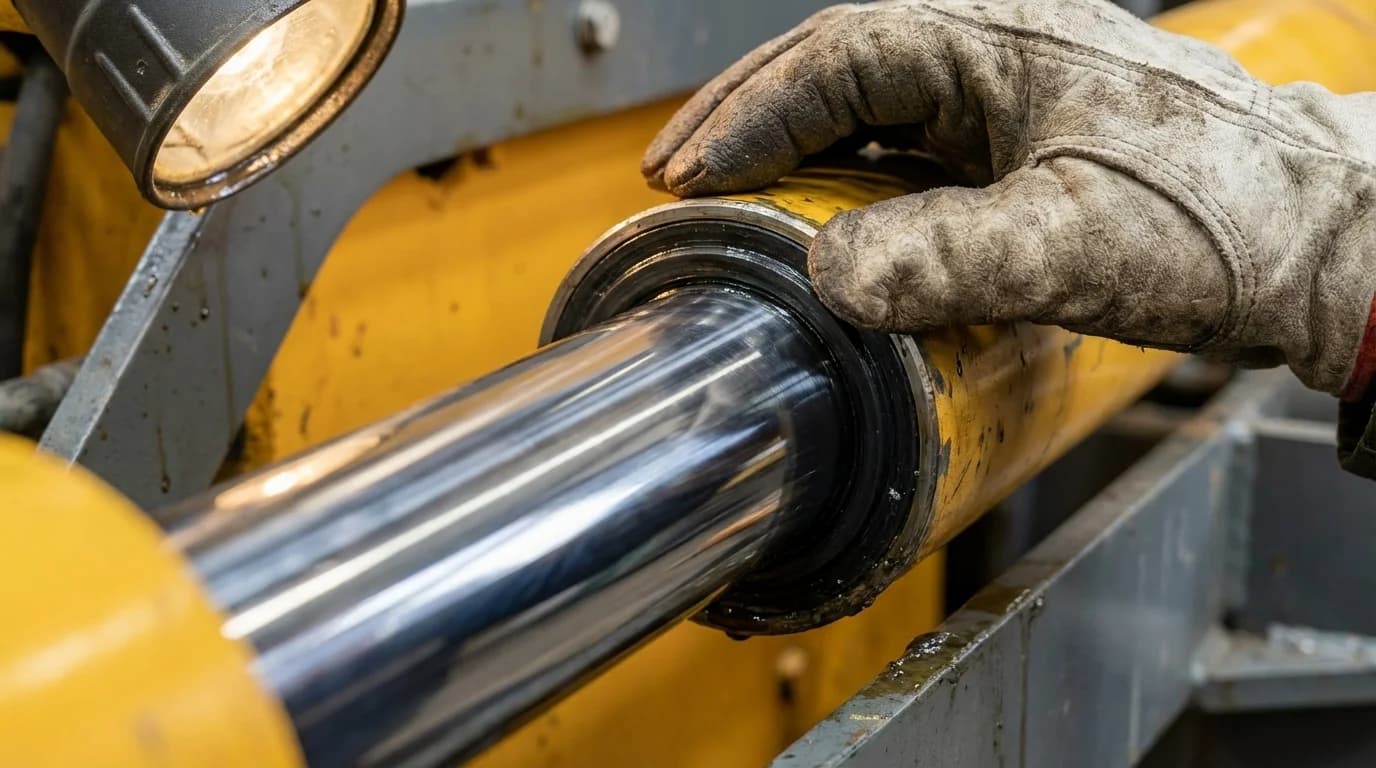
Für Bauunternehmen in West- und Ostafrika stellt der deutsche Gebrauchtmaschinenmarkt eine massive Arbitrage-Möglichkeit dar. Die Wertverlustkurve von schwerem Gerät in Europa ist aggressiv. Ein Caterpillar 320DL oder ein Mercedes Actros Kipper, der erst 5 Jahre alt ist, kann oft für 40-50 % seines ursprünglichen Preises erworben werden, obwohl er noch 15+ Jahre operative Lebensdauer vor sich hat.
Die geografische Distanz schafft jedoch eine massive 'Vertrauenslücke'.
Der Kauf eines Baggers für 120.000 EUR allein auf der Basis von PDF-Fotos ist ein finanzielles Risiko, das schon kleinere Bauunternehmer in den Ruin getrieben hat. Eine frische Schicht gelber Farbe ist der älteste Trick im Buch. Sie kann eine versagende Hydraulikpumpe, ein gerissenes Fahrgestell oder einen zurückgedrehten Betriebsstundenzähler verbergen.
Bei MTN Logistics fungieren wir als technische Brücke zwischen afrikanischen Käufern und deutschen Verkäufern. Wir verschiffen Maschinen nicht nur; wir prüfen sie auf Herz und Nieren. Basierend auf unserer Erfahrung aus der Inspektion hunderter Einheiten ist hier die umfassende 4-Zonen-Checkliste, die Sie verwenden müssen, bevor Sie jemals eine Anzahlung überweisen.
Zone 1: Hydraulik & Antriebsstrang (Das Herzstück)
Kosmetik bewegt keine Erde; Hydraulik schon. Bei der Beschaffung von Erdbewegungsmaschinen ist der Motor wichtig, aber das Hydrauliksystem ist der Ort, an dem das Geld verloren geht.
1. Die 'Kaltstart'-Anforderung
Wir bestehen darauf, eine Maschine kalt starten zu sehen. Wenn wir ankommen und der Motor bereits warm ist, ist das ein Warnsignal. Der Verkäufer könnte Startprobleme (Injektoren, Glühkerzen, Kompression) verbergen.
- Weisser Rauch: Beim Start ist ein Wölkchen normal. Konstanter weisser Rauch deutet auf unverbrannten Kraftstoff oder Kühlmittel hin, das in den Motor gelangt (Zylinderkopfdichtung).
- Blaür Rauch: Deutet auf verbrennendes Oel hin (verschlissene Kolbenringe oder Turbodichtungen). Dies ist eine anstehende Motorüberholung.
- Blow-by (Kurbelgehäuseentlüftung): Wir öffnen den Oeleinfülldeckel, während der Motor läuft. Uebermässiger Druck oder Rauch, der herauspufft, deutet auf verschlissene Kolbenringe hin.
2. Der hydraulische 'Absinktest' (Drift Test)
Bei Baggern ist die Hydraulikpumpe die teürste Einzelkomponente im Austausch.
Der Test: Wir heben den Ausleger voll beladen (oder mit ausgefahrenem Löffel) an und schalten den Motor aus. Wir beobachten den Ausleger für 5-10 Minuten.
Das Urteil: Wenn der Ausleger innerhalb weniger Minuten sichtbar absinkt ('driftet'), versagen die internen Zylinderdichtungen oder die Rückschlagventile.
3. Der Drehkranz (The Slew Ring)
Bei einem Bagger trägt der Drehkranz die gesamte Belastung der Maschine.
Die Prüfung: Wir drehen die Kabine um 90 Grad zu den Ketten. Wir drücken die Löffelzähne in den Boden und nutzen die Hydraulik, um den Ausleger sanft auf und ab zu drücken.
Das Urteil: Wir beobachten den Spalt zwischen Oberwagen und Unterwagen. Wenn sichtbares 'Spiel' oder eine Wippbewegung vorhanden ist, ist das Lager verschlissen. Der Austausch eines Drehkranzes in Lagos oder Nairobi ist ein logistischer Albtraum, der 5.000 EUR+ kostet.
Zone 2: Das Laufwerk (Der Geldvernichter)
Bei Kettenmaschinen (Bagger, Planierraupen) macht das Laufwerk (Undercarriage) etwa 50 % der gesamten Wartungskosten über die Lebensdauer der Maschine aus. Eine Maschine mit verschlissenem Laufwerk zu kaufen, ist wie ein Auto ohne Motor zu kaufen - es ist eine sofortige Verbindlichkeit.
1. Kettenspannung & Gliederverschleiss
Wir prüfen den Durchhang der Kette. Wenn das Leitrad (Idler) ganz herausgedrückt ist (maximale Spannung), die Kette aber immer noch locker ist, ist die Kette über ihre Verschleissgrenze hinaus gedehnt.
2. Das 'Ninja-Stern'-Antriebsrad (Sprocket)
Schauen Sie sich die Zähne des Antriebsrads an.
- Gut: Die Zähne sind dick mit flachen Oberseiten.
- Schlecht: Die Zähne sind scharf und spitz (wie ein Ninja-Stern). Das bedeutet, dass das Metall abgetragen ist.
3. Die 50%-Regel
Bei MTN raten wir Kunden, Maschinen mit weniger als 50 % verbleibender Laufwerkslebensdauer zu meiden, es sei denn, der Preis ist stark rabattiert, um den Versand eines Ersatzsatzes von Ketten und Rollen zusammen mit der Maschine zu berücksichtigen.
Zone 3: Betrugsschutz & Papierkram
Deutschland ist ein sicheres Land, aber der Exportmarkt zieht raffinierte Betrüger an. 'Re-Vinning' (Klonen von Seriennummern) und Tachomanipulation sind die zwei häufigsten Probleme für internationale Käufer.
1. Der CE-Typenschild-Abgleich
Jede in der EU verwendete Maschine muss ein CE-Schild (Conformite Europeenne) haben.
Die Prüfung: Stimmt die Seriennummer (PIN) auf dem gestanzten Metallschild mit der Fahrgestellprägung und den Papieren überein?
Das Risiko: Wenn diese Nummern nicht übereinstimmen oder das Schild manipuliert aussieht, könnte die Maschine gestohlen sein. Zollbehörden in Nigeria oder Kenia könnten sie als Schmuggelware beschlagnahmen.
2. Das 'Scheckheft' (Service-Historie)
Eine deutsche Maschine, die von einem zertifizierten Händler (wie Zeppelin CAT oder Schlüter) gewartet wurde, hat ein digitales oder papierbasiertes Serviceprotokoll.
Der Wert: Eine Maschine mit dokumentierter Historie ist 10-15 % mehr wert.
Der Betrug: Wenn eine 10 Jahre alte Maschine nur 3.000 Stunden auf dem Zähler hat und keine Servicehistorie vorliegt, handelt es sich fast sicher um Betrug. Die Stunden wurden zurückgedreht.
Die Lösung: Wir nutzen Diagnosesoftware (oder beauftragen Techniker), um das ECU (Steuergerät) direkt auszulesen. Das ECU speichert oft den 'Gesamtkraftstoffverbrauch' oder die 'Betriebsstunden' in einem separaten Speicherblock, den Tacho-Betrüger vergessen zu löschen.
Zone 4: Logistik & 'Verschiffbarkeit'
Bevor Sie kaufen, müssen Sie die 'Landed Cost' (Gesamtkosten frei Bestimmungsort) berechnen. Eine billige Maschine kann teür werden, wenn sie nicht auf das Schiff oder den LKW passt.
1. Breitenbeschränkungen
Ist die Maschine breiter als 2,5 Meter?
Das Problem: Der Standard-Strassentransport in Europa erlaubt bis zu 2,55 m Breite. Alles, was breiter ist, erfordert eine 'Sondergenehmigung' und manchmal Begleitfahrzeuge, um zum Hafen zu gelangen. Dies kann unerwartet 1.000 EUR+ zu den Transportkosten hinzufügen.
2. Static vs. RoRo
Läuft sie?
RoRo (Roll-on/Roll-off): Für fahrbare Einheiten. Die Maschine muss aus eigener Kraft starten, fahren und bremsen.
Static Shipping: Wenn die Maschine eine leere Batterie oder ein Leck hat oder ein Kettenfahrzeug ist, das nicht auf die Rampe darf, muss sie auf einen Mafi-Trailer. Dies kostet typischerweise 30-50 % mehr als Standard-RoRo. Wir bewerten dies vor dem Kauf, damit Ihr Budget am Hafen nicht gesprengt wird.
Fazit: Präzision in der Beschaffung
Der deutsche Markt bietet das weltweit beste Preis-Leistungs-Verhältnis für Schwermaschinen. Aber der Unterschied zwischen einem profitablen Vermögenswert und einem Groschengrab liegt in den technischen Details.
Bei MTN Logistics fungieren wir als Ihre technischen Augen vor Ort. Wir verhandeln nicht nur den Preis; wir klettern unter das Fahrgestell, prüfen die Hydraulikflüssigkeiten und verifizieren die ECU-Daten. Wir stellen sicher, dass Ihre Maschine, wenn sie in Afrika ankommt, bereit für die Arbeit ist - und nicht für die Werkstatt.
Bereit, hochwertige deutsche Ausrüstung zu beschaffen?